Mental Well-being – Dance Makes Happy, Confident Kids

Dance and Well being: What Happens When We Move?
There’s a disturbing trend happening around the globe and in our local area – an increase in childhood anxiety. According to data released by the National Health Service (NHS) in 2023-24, there were over 204,000 new child referrals made to NHS mental health services for anxiety alone. That is over twice the number of children referred to NHS mental health services prior to the pandemic. Anxiety is just part of the story. With 1 in 5 children suffering from some type of mental illness according to a 2023 study which showed that 20 percent of children aged 8 to 16 suffered from a mental illness, it is becoming increasingly clear that supporting children emotionally is imperative and not a luxury. Children's Commissioner for England House of Commons Library In the Elmbridge Borough, families are blessed with a variety of community resources and leisure options. But there may be one resource that stands out above the rest -- the oldest known tool for improving mental wellness: dancing.
Why Dancing Works
When we dance as children, something amazing takes place in the brain. Endorphin production increases, releasing what could be called “natural happy chemicals” that help improve our mood almost instantly. However, the science behind this phenomenon extends far beyond that simple release of feel-good hormones. Research demonstrates that dancing can positively affect a child's mental health by reducing both anxiety and depression; increasing serotonin production; and providing children and adolescents with a means to manage and prevent stress. Serotonin is the hormone linked to feelings of happiness, relaxation, and overall well-being. And while medication is available to treat low serotonin levels, dancing allows your body to produce more naturally. Children who experience difficulty articulating their thoughts and emotions often use movement as their method of expression. A shy child who struggles with verbal communication may find comfort in a dance class. The music transports them; the beat guides them; and for the first time ever, they communicate something significant about themselves without using words. As previously mentioned, with nearly 50% of young people experiencing some form of mental health issue during the past three years; five children in every classroom of thirty will be affected by a mental health issue.
Resilience Through Each Dance Class
Additionally, dance is one of the greatest teachers of resilience. Practicing a series of steps, making mistakes, practicing again until you get it right -- is an exercise in determination. It demonstrates to children how much effort contributes to success in a tangible and experiential manner. Research indicates that team activities involving children contribute to developing resilience and positive mental well-being. Therefore, dance falls directly into this category. Participating in a dance class provides children with a sense of teamwork, even if no competition exists among members. They develop trust among each other, work together through challenging movements, support one another through tough spots, etc. Group movement experiences such as those experienced through dance classes promote bonding among children, extending beyond the confines of the dance studio.
Mind, Memory, and the Classroom
Once the music ends, the benefits of participating in creative dance continue. Research identifies potential positive effects on children's cognitive abilities; mental well-being; physical well-being; and social interaction due to participation in creative dance activities. Concentration; focus; memory; listening skills; spatial awareness -- are all utilized while engaging in dance activities, therefore translating directly into improved academic performance. By spending one hour concentrating on rhythm and movement -- the child's brain is being literally expanded and strengthened. Our borough is consistently ranked as one of the highest aspirations in Surrey -- with parents striving for their children to excel academically. Dance is not a diversion from achieving this goal -- but rather enhances it.
A safe place to be yourself
Ultimately, perhaps the largest gift that dance provides children is self-confidence. For quiet ones, awkward ones, ones still discovering who they are -- a dance class provides a space for children to simply exist without fear of judgment. There are no bad choices, no tests; only music, movement and a child’s process of learning that their bodies are capable of producing something beautiful and expressive.
"Dance gives kids confidence — to stand tall, try new things, and believe in themselves."
That confidence radiates outward. Children who feel confident in their bodies tend to feel more confident in classrooms, in friendships, in life. They carry themselves differently. They try things they might otherwise have avoided. They bounce back faster when things go wrong.
Dance in Our Community
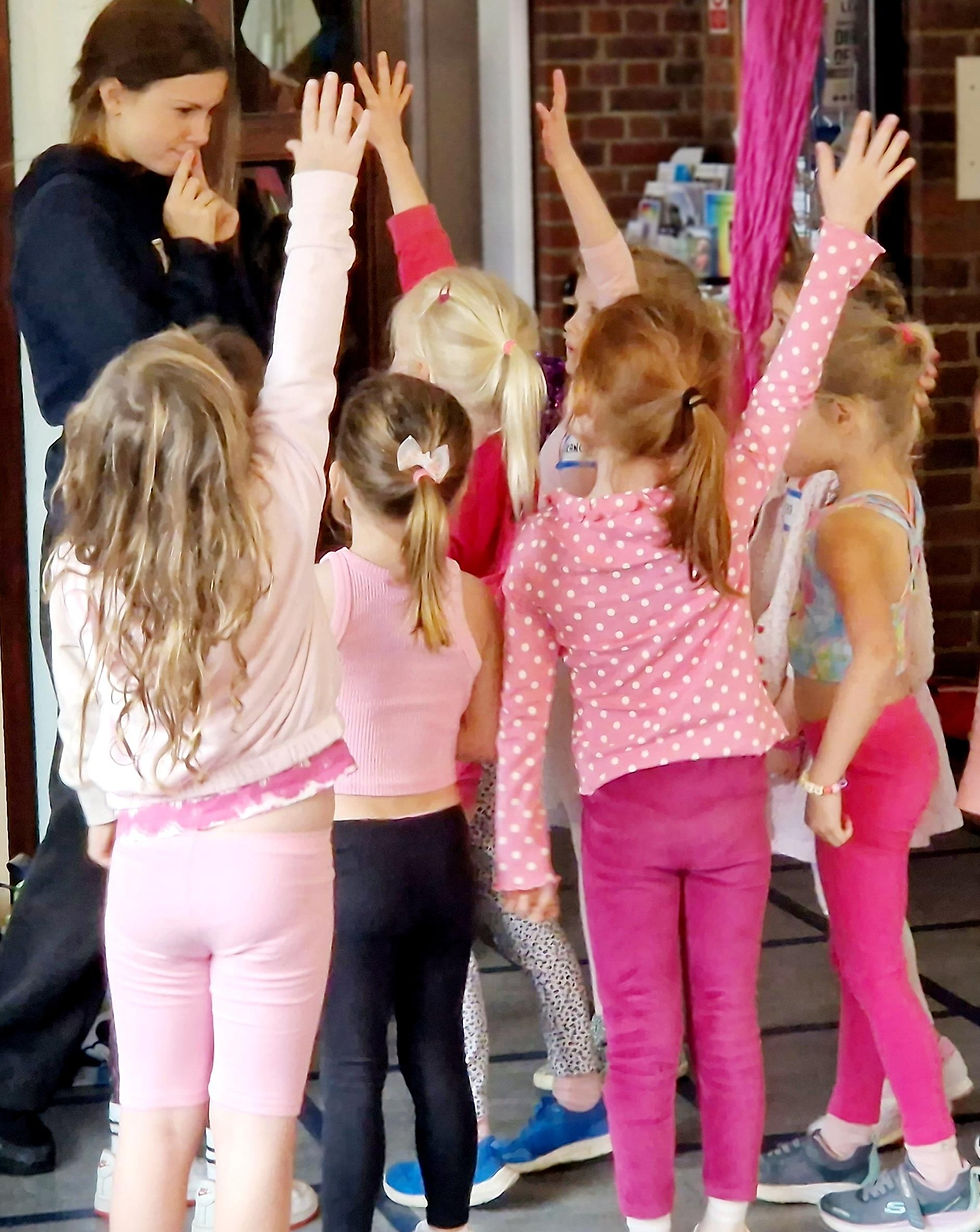
Walton-on-Thames offers a genuinely wonderful environment for children to explore dance at Mini Dance Performers within Surrey schools and at KWDA Movers.
Whether your child is a natural performer or someone who has never set foot on a dance floor, it doesn't matter. The science, the research, and the experience of thousands of children all say the same thing: get them moving, get them dancing, and watch them flourish.
Comments